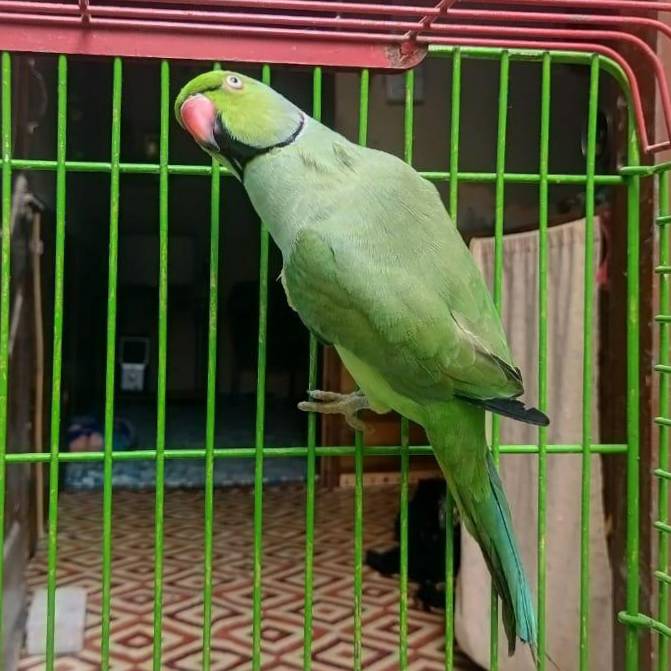
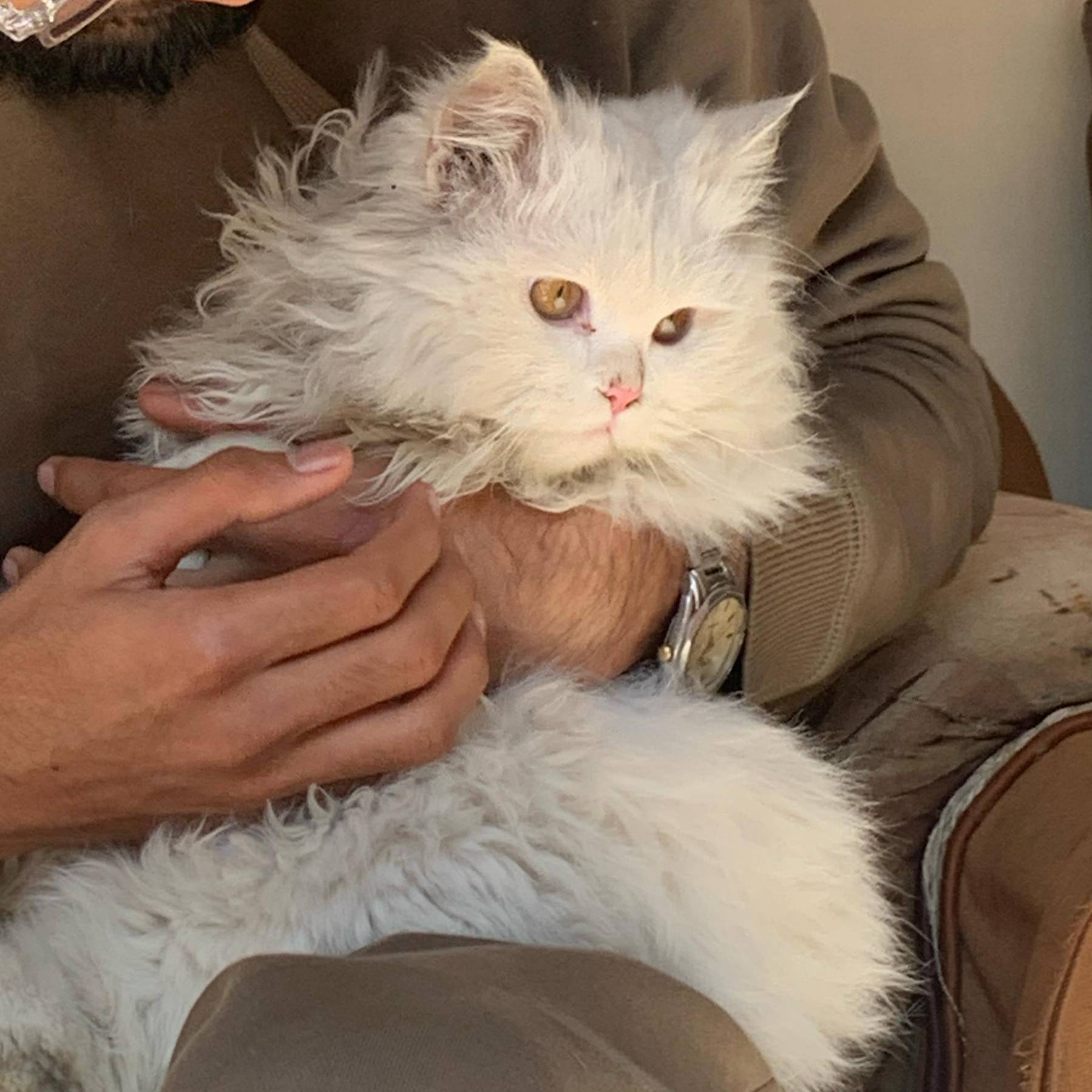
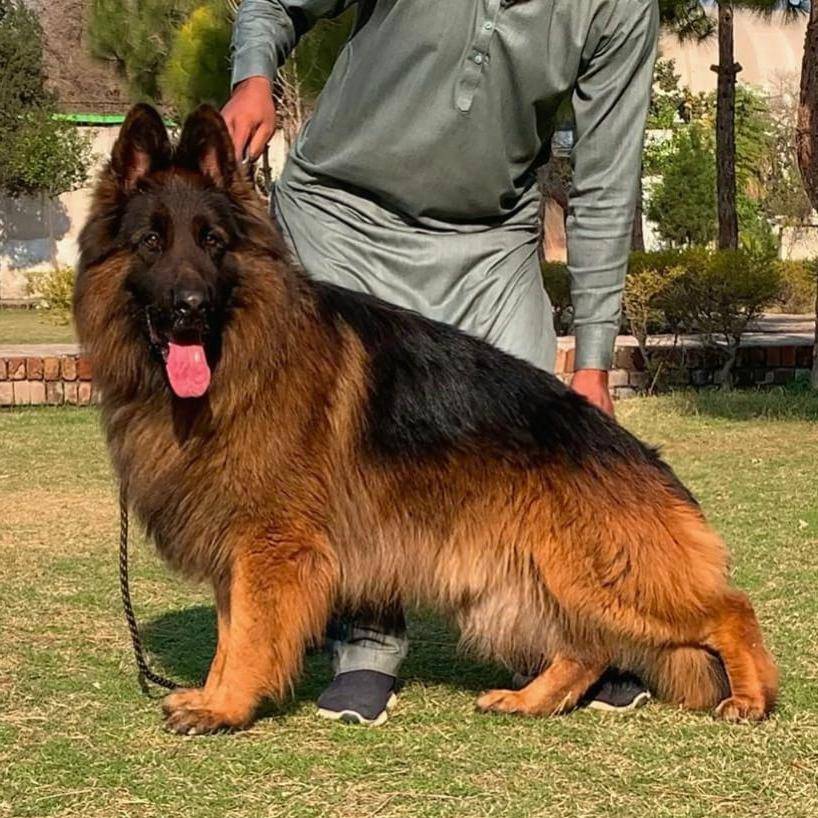
.png)
 Sign In
Master Categories
Pet Services
- Dog Walking
- Horse Share
- Pasture
- Dogs Training / Handler
- Animal Jobs
- Horse Trainer
- Zoo Keeper / Exotic Caretaker
- Animal Trainer
- Animal Caretaker
- Show & Game Animals
- Hunter Bird Training
- Free Flight Bird Training
- Pet Insurance Provider
- Pet Taxi
- Aquarium Caretaker
- Livestock Taxi
- Horse / Equine Taxi
- Fish / Aquarium Taxi
- Pet Photographers
- International Animal Relocation / Export Service
- Livestock Caretaker & Farm Handler
- Horse Caretaker & Equine Handler
- Exotic Animals & Reptile Caretaker
- Bird & Aviary Caretaker
- Dog & Puppy Sitter / Caretaker
- Cat & Kitten Sitter / Caretaker
- Taxidermy
- Dog / Puppy Grooming
- Cat / Kitten Grooming
- Horse Grooming
- Livestock Grooming
- Bird Grooming
- Exotic Pet Grooming
- Dog Boarding / Daycare
- Cat / Kitten Boarding / Daycare
- Small Animal Boarding / Daycare
- Bird Boarding / Daycare
- Exotic / Reptile / Invertebrate Boarding / Daycare
Veterinarians
- Ophthalmology (Eye Care)
- Veterinary Nurse
- DVM Consultation (General Checkup)
- Preventive Healthcare
- Surgery & Operations
- Internal Medicine
- X-Ray & Ultrasound Imaging
- Emergency & Critical Care
- Pain Management
- Behaviour Correction & Therapy
- Reproductive Health & Breeding Consultation
- Vaccination & Booster Services
- Parasite Control (Fleas, Ticks, Worms)
- Ophthalmic (Eye) Conditions
- Dermatology (Skin & Coat Treatment)
- Cardiology (Heart Care)
- Neurology
- Laboratory Testing & Pathology
- Pet Health Screening & Diagnostics
- Spay & Neuter Services
- Dental Care & Oral Health
- Orthopedics & Joint Care
- Nutrition & Diet Consultation
- Physiotherapy & Rehabilitation
- Geriatric Pet Care (Senior Pets)
- Puppy & Kitten Care Programs
- Microchipping & Identification
- Pet Health Certificates & Travel Documentation
- Home Visit Veterinary Services
- Euthanasia & End-of-Life Care
- Livestock Veterinary Services
- Animal Welfare & Rescue Treatment
- Exotic Animal Veterinary Care
Chatbot
X-

Hi there
How can I help you today?